Headsets
Standalone VR headsets, one per student station, plus spares

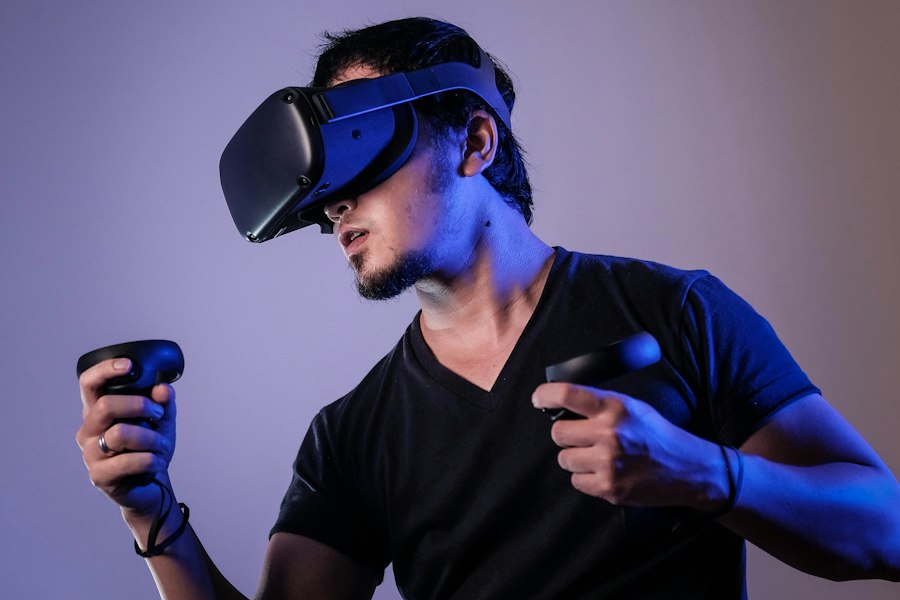
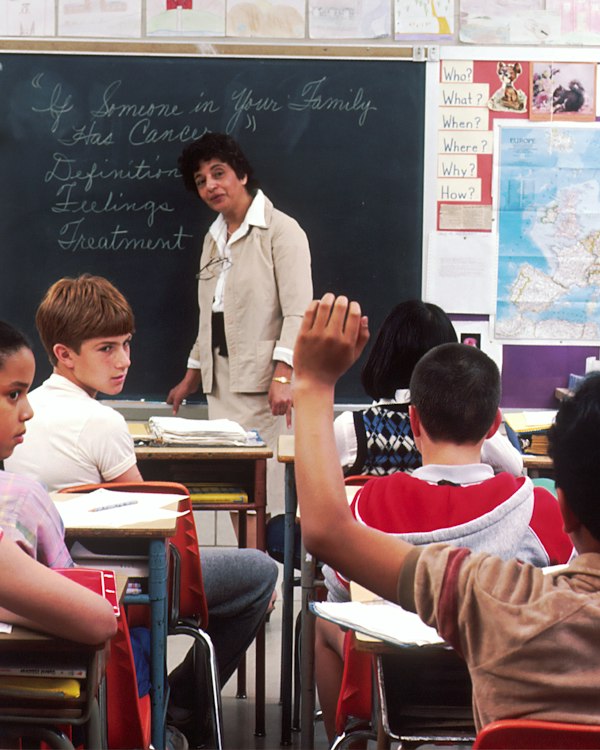
A complete immersive classroom: headsets, supporting hardware, network and room setup, installed as one project and handed over ready for teaching.
Standalone VR headsets, one per student station, plus spares
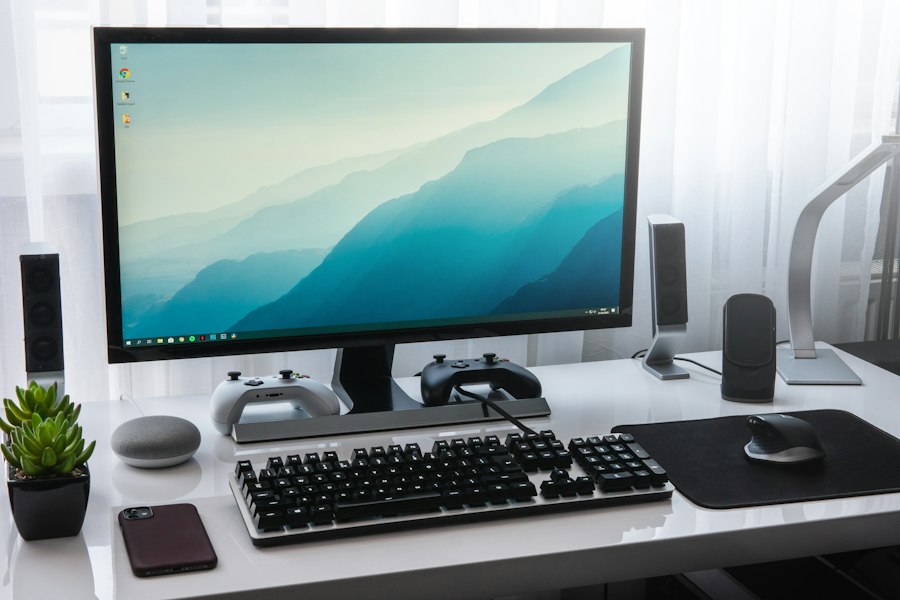
Computer and display to launch lessons and monitor headsets
Lockable cabinets that charge all headsets between classes
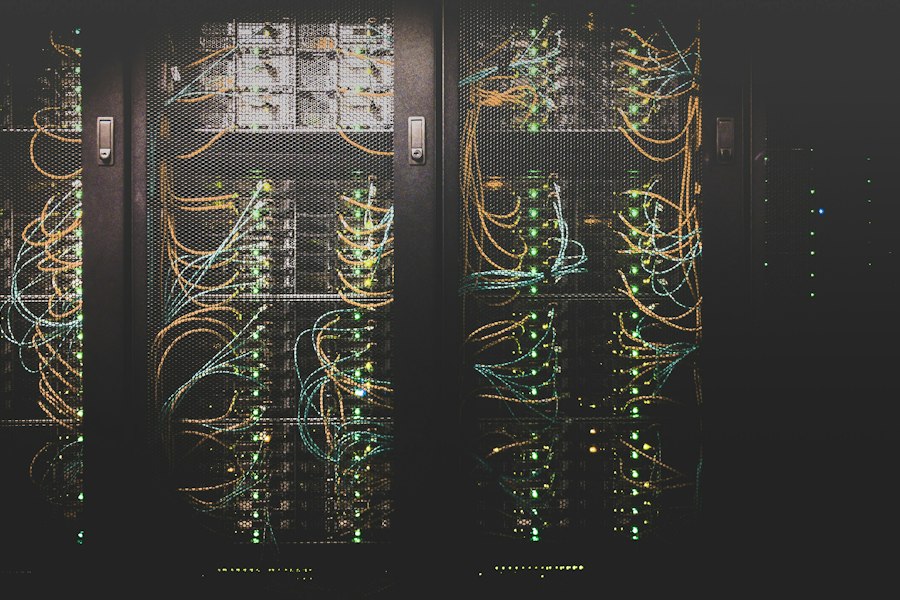
Wi-Fi designed for many headsets in one room
Layout, seating, power points and clear movement space
Hands-on sessions for teachers and lab administrators
Repairs, replacements and periodic checks after handover
Headsets are selected on the content to be used, student age group, class strength, management needs and budget.
General classroom VR, with the largest library of education apps
Vocational, technical and medical training with business-grade management
Classroom VR as an alternative platform
Subjects, class strength, age groups and timetable discussed with the institution.
Room size, power points, Wi-Fi coverage and storage space checked.
Layout, headset count, charging capacity and network plan prepared.
Specification sheet and BOQ submitted for approval.
Hardware installed, network configured, headsets enrolled and tested.
Teachers trained to start, run and close a lesson without technical help.
Charging, storage and Wi-Fi capacity are sized to the headset count, so every headset is ready for the next class.

Headset manufacturers, including Meta, HTC and Pico, recommend VR headsets for users aged 13 and above. Labs for higher secondary classes, colleges and training institutes use VR headsets directly.
Shared headsets are planned with hygiene covers and cleaning routines between classes.

Share the room dimensions, class strength, subjects and student age groups.